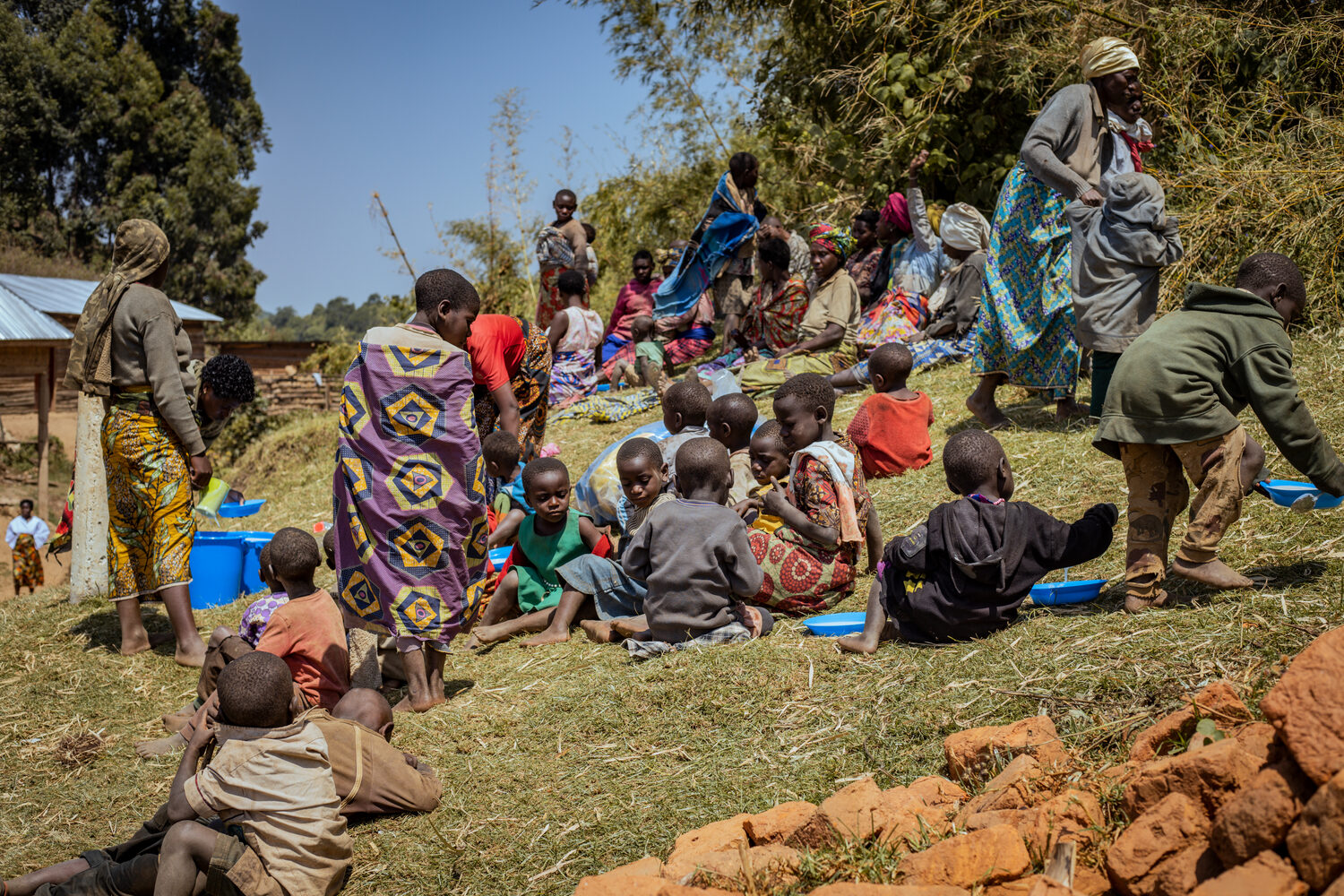
Our team recently worked alongside the Kigezi Healthcare Foundation (KIHEFO) to run nutrition and health screenings for a Batwa village in Uganda, one of the country’s most marginalised indigenous communities.
What we found reflects just how deep the effects of displacement and poverty can run. Malnutrition rates in this community are severe, and the cycle often begins before a child is even born. Mothers, who are themselves undernourished, frequently cannot produce enough breast milk to fully sustain their infants. As a result, children may continue breastfeeding well past age two — not by choice, but because there is simply no other reliable source of food available to them.
When a mother isn’t getting enough nutrients herself, her baby doesn’t get them either — and malnutrition is passed from one generation to the next before a child has any chance to catch up.
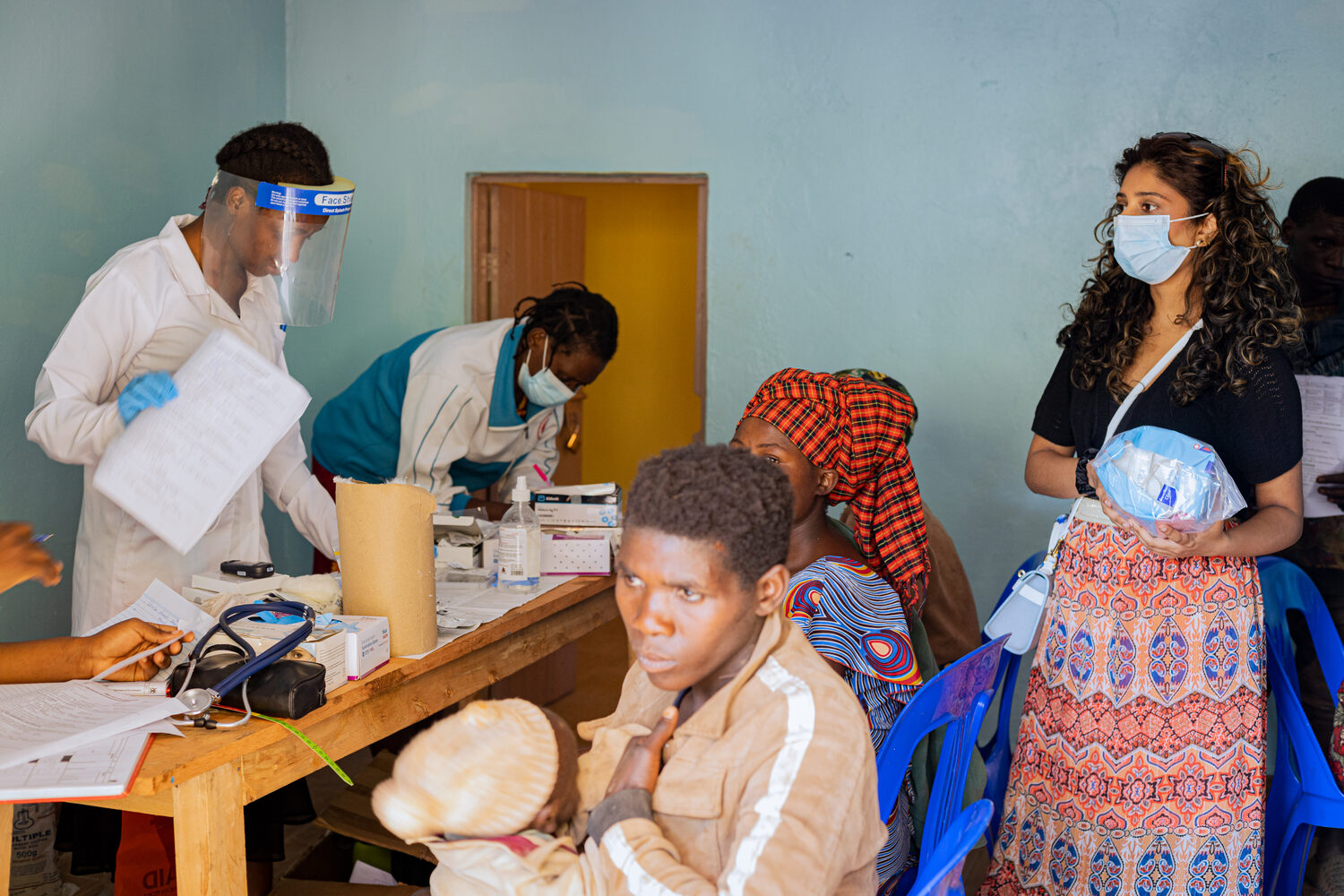
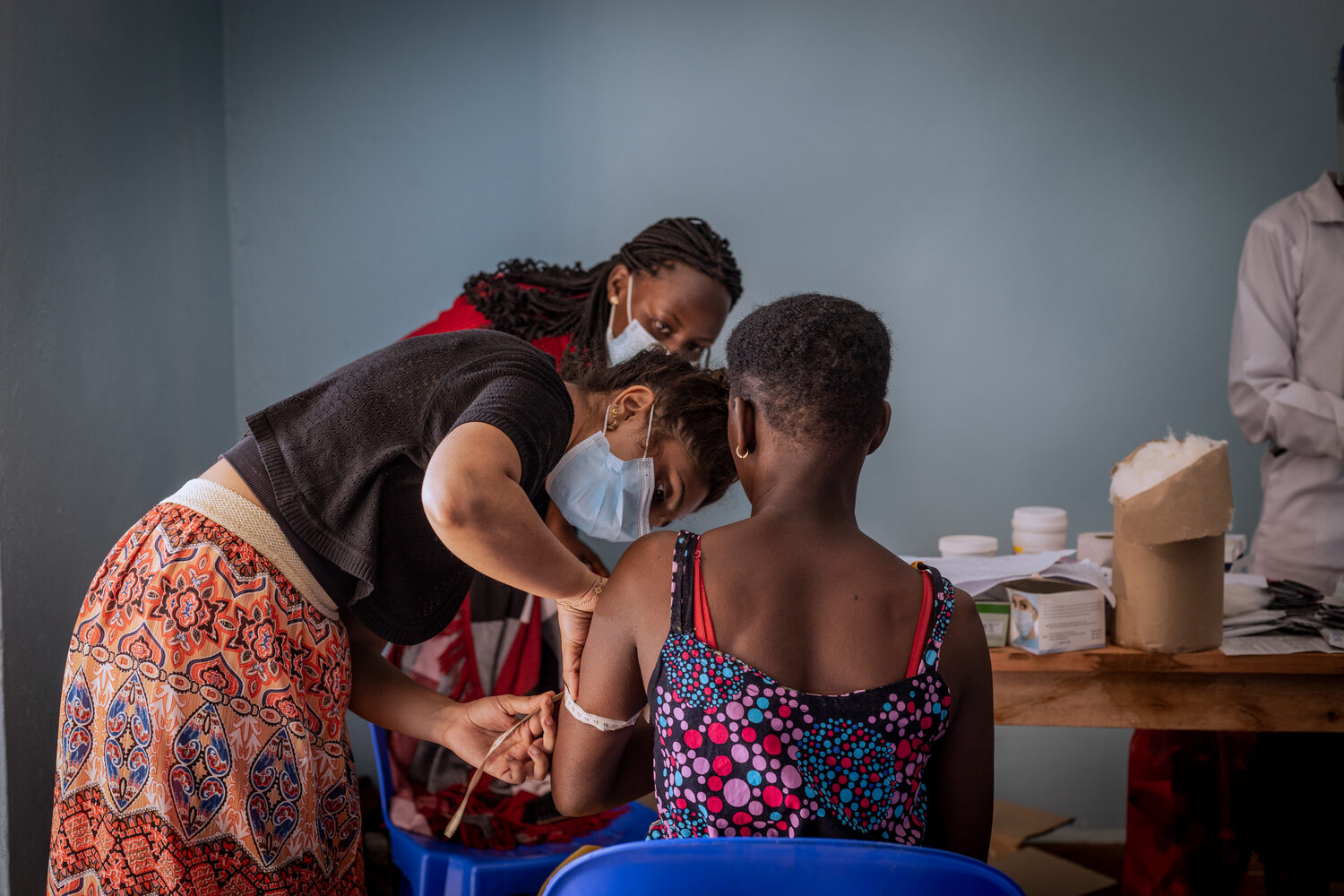
Over the course of our visit, our team and KIHEFO’s health workers screened community members using tools like arm-circumference measurements to assess malnutrition, basic vital checks, and growth tracking for children. Care went beyond nutrition, too: the team provided HIV and STD testing, PrEP and PEP, and treatment and medication for a range of other conditions. Each of these small data points matters. Together, they help KIHEFO and local health workers understand exactly where the greatest needs are — so that limited resources, whether that’s supplemental nutrition, maternal support, or follow-up medical care, can be directed to the people who need them most.
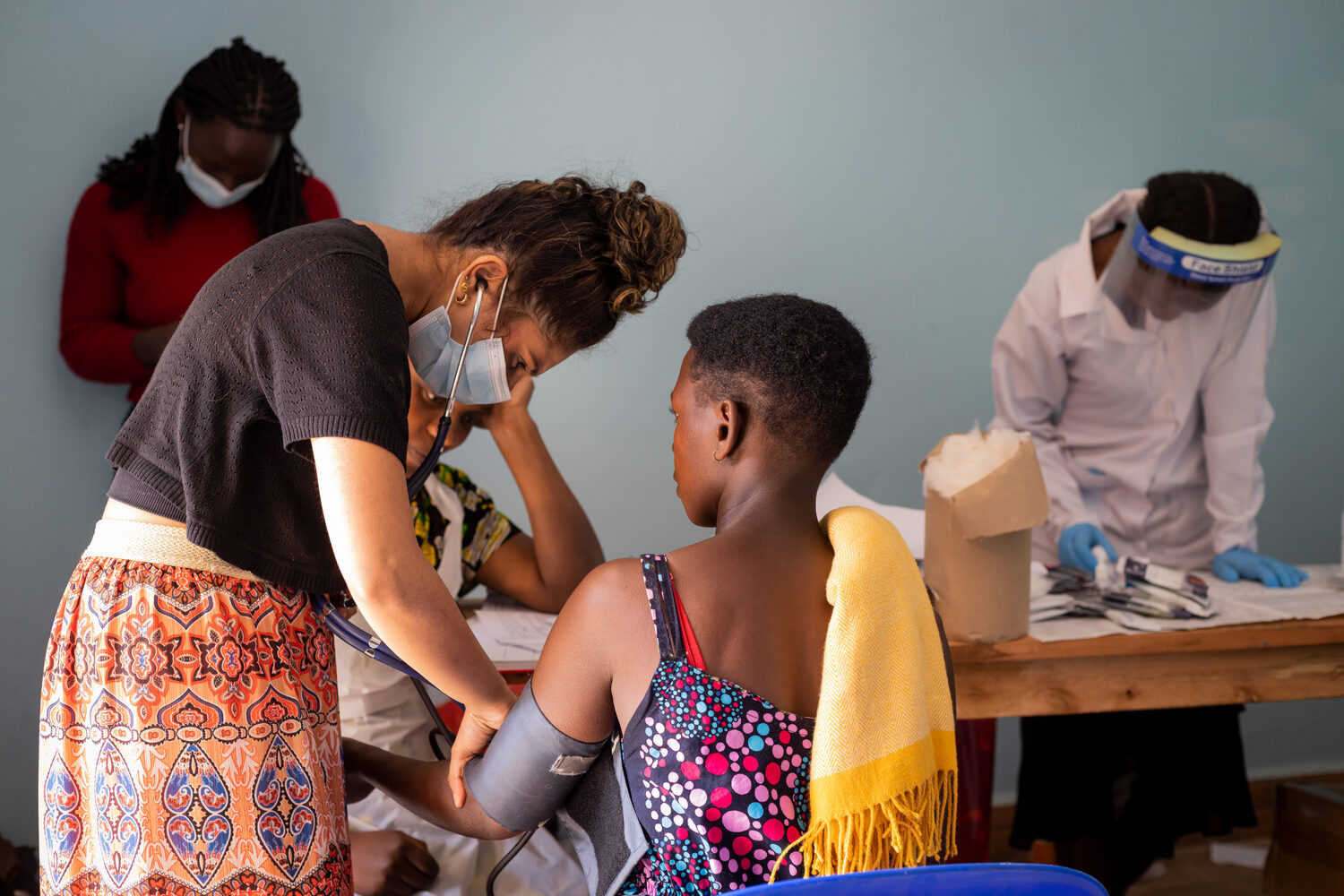
This kind of work is not a solution on its own. It’s a starting point — one that turns an urgent but often invisible problem into something measurable and actionable. We’re grateful to KIHEFO for their partnership and expertise, and to the Batwa community for welcoming our team and trusting us with something as personal as their family’s health.
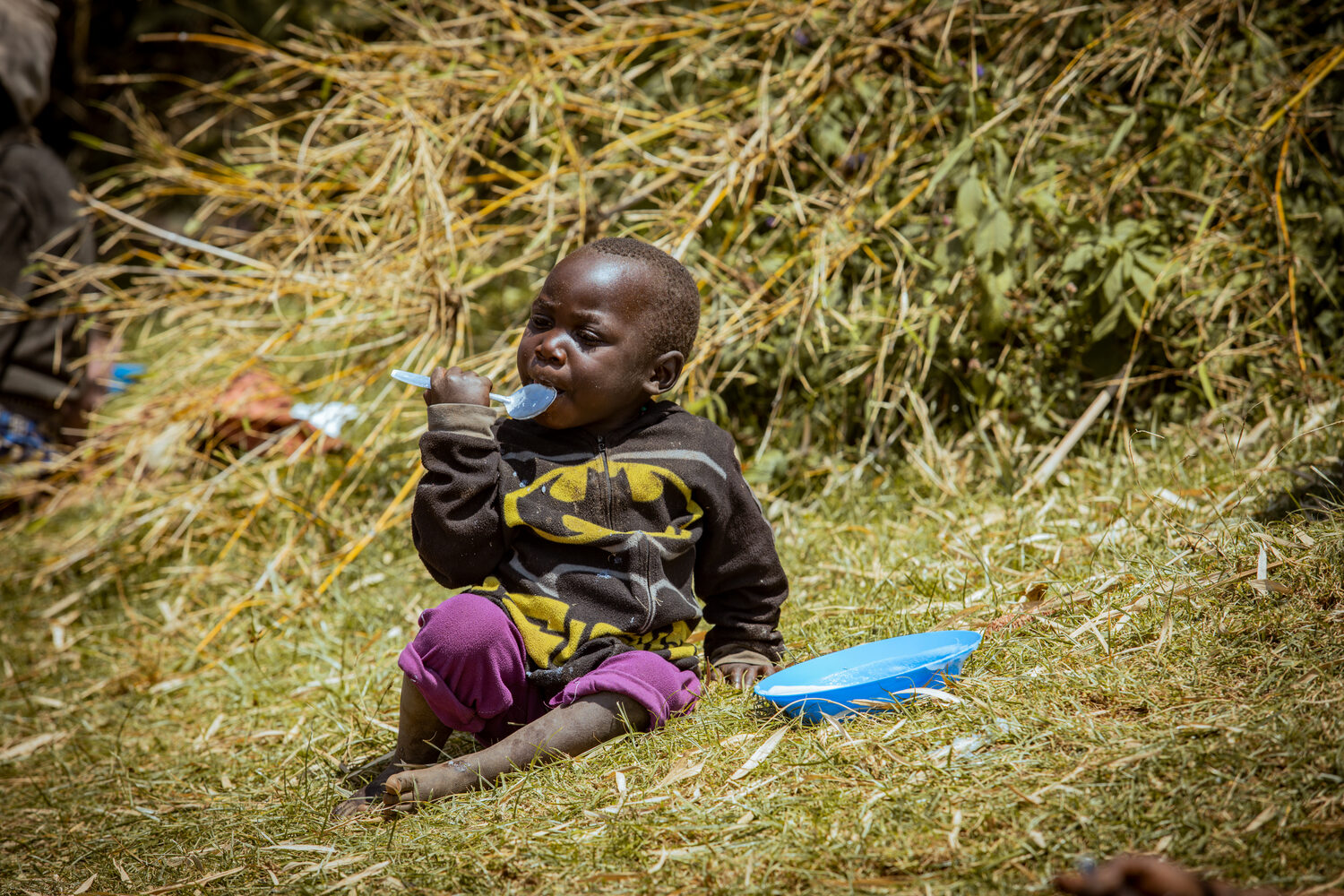
It’s also why prevention sits at the heart of what we’re building at Fortiva. The everyday staple foods people already rely on, like maize, can be made to carry the nutrition families are missing — reaching mothers and children before deficiency takes hold, which is exactly the kind of change we exist to make.